Enter your email address:

Delivered by FeedBurner

Showing posts with label tips. Show all posts

Sunday, March 4, 2012

Pre-Workout Eating


By Steve Edwards


How much you should eat before your workout depends on the type of workout that you plan on doing: high, moderate, or low intensity. If you're going to do a low-intensity workout, don't eat before your workout because it will just make you feel sluggish. On the other hand, for moderate to high-intensity workouts, you'll want to have some reserve carbs in your system to perform the best.

Here are some caloric guidelines:

  • If it's 3 or 4 hours before your exercise, eating a large meal is OK (600 calories or more).
  • If it's 2 or 3 hours beforehand, a smaller meal is better (400 to 500 calories).
  • If it's 1 or 2 hours before, a liquid meal is a good choice (300 to 400 calories).
  • If it's an hour beforehand, a small snack will do (200 to 300 calories).

    Try not to eat during the last hour before you begin a workout because it floods your system with too much blood sugar during those initial stages of your workout.

Thursday, March 1, 2012

Easy and FAST Hard Boiled Eggs


EASY TIP! You can EASILY make hard boiled eggs in a food steamer. 25 mins and that's all it takes and the egg shell comes off so easily too! I just made these!

Sunday, March 27, 2011

How to clean the inside of your body


Overview

You feel the need to do something about your health, to cleanse your body of the accumulation of unhealthy foods, toxins from pollution, smoking, drinking too much coffee, too much sodas or wine or sweet tea, a vegetarian detox diet for a weekend or a whole week can not only cleanse your body but it will give you a jump start on a healthier diet and better habits.

Step 1

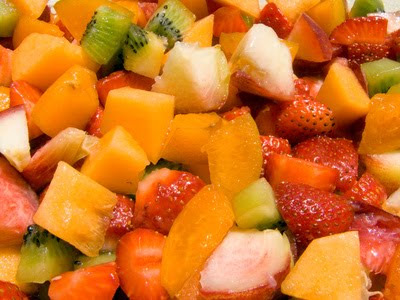
Dice all the fruit to make a fruit salad. Cook 1/2 cup oatmeal with a cup of water and a pinch of salt. Eat the oatmeal and half the fruit for breakfast with a 2 tsp. of seeds.

Step 2

Combine the yogurt, juice of half a lemon, crushed garlic, mint and cilantro leaves. Stir until well combined. Store in your refrigerator.

Step 3

Combine the brown rice, barley, wheat berries and millet. Store in a canister. Measure out 1 cup of the mixture and simmer with 2 cups of water for 30 to 45 minutes over low heat until tender. Add a pinch of salt and stir with a fork, fluffing the mixture. Eat half of the cooked grains for lunch and half for dinner.

Step 4

Prepare a salad with as much lettuce as you like, 1 1/2 cups of diced raw vegetables and 2 tsp. seeds. Dress the salad with olive oil and vinegar or lemon juice. Eat at lunch with half the mixed grains. Pour 1/4 cup of the yogurt sauce over the grains.

Step 5

Eat the remaining 1 cup fruit as a snack with 2 tsp. seeds.

Step 6

Heat the remaining mixed grains. Steam 1 1/2 cups mixed vegetables. Serve them together with 1/3 cup of the yogurt sauce.

Step 7

Drink eight, 8-oz. glasses of water during the day. Drink a cup or two of green tea during the day in addition to the water. Repeat this menu every day over the weekend, or for a whole week.

Tips and Warnings

  • If you are working hard physically or exercising regularly, add a serving of tofu or tempeh to your lunch and dinner. If you crave something sweet, eat one or two prunes or dried apricots during the day or 1 oz. of dark chocolate. Lie down once during the day, elevating your feet for 15 minutes. Go for a walk during the day, at least 10 minutes.
  • This is a high fiber, low-fat diet. If you aren't used to eating this much fiber, take digestive enzymes and probiotics to help prevent bloating and gas.

Things You'll Need

  • 2 cups of raw fruit, in a variety of colors
  • 1/2 cup oatmeal
  • 3 cups of raw vegetables, in a variety of colors
  • 1 head of dark green lettuce
  • 1 tbsp. olive oil
  • 1 tbsp. balsamic vinegar or lemon juice 2 tbsp. seeds, such as sesame seeds or sunflower seeds
  • 2 cups brown rice
  • 1 cup barley
  • 1/2 cup wheat berries
  • 2 tbsp. millet
  • 1 tsp. sea salt
  • 1 tbsp. olive oil
  • 1 cup non-fat Greek yogurt
  • Juice of half a lemon
  • 1 clove garlic, crushed
  • 1 bunch of mint, chopped
  • 1 bunch of cilantro, chopped
  • Cooking utensils
  • Water
  • Green tea bags

Saturday, March 26, 2011

Fit for Life Diet

The Fit for Life Diet


Fit for Life is a combination diet diet that emphasizes eating foods in the correct combination and avoiding the wrong combinations of foods rather than counting calories or controlling portion size.

The diet approach of Fit for life is very unconventional and disputed by most dieticians and nutritionist all over the world. Some of the rules in the program are:

  • You cannot eat fruits with other foods. They are only healthy for you if the fruits are eaten alone.
  • Only fruits can be eaten in the morning (until noon), as it cleanses the body.
  • Carbohydrates and proteins should not be consumed at the same time. So for lunch and dinner, you have the choice of either carbohydrates and vegetables or proteins and vegetables.
  • Consumption of dairy foods is strictly prohibited on this diet program.
  • Drinking water with your meals is discouraged.
  • There is a one day when you can eat whatever you want, which the program calls a free day.

The Anti-Allergy Diet


With allergy season right around the corner, we've sought out the foods that will help ward off those itchy eyes and runny noses. Plus, a list of foods you should skip if you want to stay congestion-free.

Red Wine, Apples and Onions
Quercetin, a flavonoid that helps the body fight against allergic inflammation by inhibiting the release of histamine, is found red wine, apples and onions. You can also get a dose of this ant-allergy antioxidant in berries, red grapes, black tea, broccoli and citrus fruits.

Grapefruits and Red Peppers
Vitamin C strengthens the immune system and decreases the production of histamine. Oranges, cantaloupe, papaya, strawberries, dark leafy green vegetables, and sweet potatoes are also good sources.

Mustard Greens
Mustard greens are a great source of beta-carotene and vitamins E and C, which fight inflammation, scavenge for free radicals and help break down histamine. Sauté mustard greens with olive oil and garlic or use them as you would any other dark leafy green.

Flaxseed, Walnuts and Salmon
Eating a diet rich in omega 3 fatty acids may help alleviate allergies by reducing inflammatory chemicals in the body. One German study showed that a high level of omega 3s in subjects' diet or red blood cells was associated with a decreased risk of hay fever. Other sources of this essential fatty acid include canola oil, pumpkin seeds, and cold-water fatty fish.

Brazil Nuts
Selenium is an essential mineral that is required in very small amounts. In the body it is incorporated into proteins to make important antioxidant enzymes that both strengthen the immune system and increase the effectiveness of vitamin C. Brazil nuts and tuna are among the best sources.

Green Tea
Green tea is rich in catechin, a polyphenol (antioxidant) that inhibits the enzyme that converts histidine to histamine. For maximum benefits, use loose tea leaves instead of tea bags and pair with fruit or vegetables high in vitamin C.

Cayenne Pepper
Hot, spicy foods thin mucous secretions which can help clear nasal passages. Try adding cayenne pepper, ginger, onion and garlic to your favorite dishes.

Garlic
Garlic inhibits certain enzymes that generate inflammatory compounds, has a kick just like cayenne, and is a good source of vitamin C.

Rosemary
Rosemary contains a substance called rosmarinic acid, a polyphenol that is believed to suppress allergic reactions and inflammation. Try adding rosemary to roast potatoes, marinades, and tomato sauces.

Tumeric
Tumeric, a member of the ginger family, boasts anti-inflammatory properties. A central ingredient in curries and other Indian dishes, tumeric can also be used as a flavor enhancer for fish, meat, vegetable and pasta recipes.

Sunflower Seeds
Sunflower seeds help suppress allergic reactions thanks to high levels of vitamin E and selenium. Vitamin E fights inflammation and selenium stimulates immune function (see above).

In addition to choosing a diet rich in the allergy-fighting foods above, try to avoid pro-inflammatory, cross-reacting, and sensitive foods.

Pro-inflammatory foods increase inflammation, which may aggravate existing allergy symptoms. High-fat meats, fast food and packaged, baked goods are high in unhealthy fats (trans fats and saturated fats) and processed meats (hot dogs, sausage, bacon) contain chemicals called nitrates -- both of which are associated with increased inflammation. Even naturally occurring saturated fats, such as those found in meats, dairy and eggs, contain fatty acids called arachidonic acid, which may exacerbate inflammation in large quantities. Lean meats and low fat dairy products will not promote inflammation.

In the case of oral allergy syndrome, our bodies mistake a plant protein for pollen triggering a cross-reaction. People who suffer from ragweed allergies may experience similar symptoms when they eat certain seeds (sunflower), fruits (bananas, melon) and vegetables (cucumbers, zucchini), take the herb Echinacea, or drink chamomile tea. Individuals with grass pollen allergies may have difficulty eating melons, oranges, peaches, tomatoes and celery. And pollen from alder trees can cross-react with apples, cherries, peaches, pears, parsley, celery, almonds and hazelnuts.

To prevent or reduce allergy symptoms, stick with fresh, unprocessed foods and steer clear of any personal triggers.

Tuesday, March 22, 2011

Almond Milk Smoothie Starter


Combine the following in your blender:
• 12 oz of water
• 1/3 cup soaked, raw almonds
• 1 tbsp coconut oil
• stevia — sweeten to your taste

Blend until smooth and strain through a nylon-mesh nut bag to remove the almond meal.

You can use this as a substitute for milk for any healthy smoothie recipe — or drink it as is. It will only keep for a couple of days, but it's so quick to make, it hardly matters.


Wednesday, March 16, 2011

Top 5 Cancer Fighting Foods


I spotted this list of five cancer fighting foods on the Today Show. I eat most of them, but not all. It’s recommended that we eat about 1/2 cup of each every day. How many of them do you eat?
  • Garlic has long been known for its cancer fighting properties. A recent study showed that the more garlic an individual consumed, the lower the level of nitrates found in the urine. Scientist hope to use this information to discover how garlic fights nitrates in hot dogs and other processed lunch meats, which then morph into nitrites and can become cancer cells.

  • Broccoli contains sulforaphanes, which target cancer stem cells. Raw broccoli contains the highest levels, with steamed following a close second. Try this amazing dip the next time you need a mid afternoon snack.

  • Berries, in general, and black raspberries especially, contain phytochemicals that prevent the formation of new blood vessels called angiogenesis. In studies with rats, there was solid proof that black raspberry extract inhibited the growth of esophageal cancer tumors. Berries are delicious with oatmeal or as part of a fresh fruit and yogurt parfait.

  • Tomatoes contain lycopene, an antioxidant compound that gives tomatoes and certain other fruits and vegetables their color. Lycopene has been found to delay the growth of cancer cells in both endometrial and prostate cancers. Cooking tomatoes actually increases lycopene availability, so why not make a pot of spaghetti sauce and serve it with whole wheat pasta for dinner tonight?

  • Black and navy beans are great source of fiber. They also contain short chain fatty acids called butyrates. Butyrates are formed in the intestine while digesting beans, and high levels of these acids have been proven to be effective against cancer cells. Eating beans, peas, or lentils at least twice a week has been found to decrease colon cancer risk by a full 50% – eating them daily would magnify the effects. Enjoy beans in salads, burritos, nachos, with fish or even in brownies!